Rete neurale tridimensionale astratta, palette azzurro, viola e ciano

Immagine creata con IAAI-generated image

Who decides how a machine thinks? The ethics and accountability of AI

Every artificial intelligence (AI) system produces its results on the basis of criteria established by human beings. This piece traces who defines those parameters, which rules and technical standards govern them, and how adherence to them can be checked.

The human responsibility behind automated decisions

An AI system does not “think” in the way a person does: it processes vast quantities of data and identifies correlations. The criteria by which it selects, weighs and delivers a result, however, derive from human choices. Someone establishes which datasets to use for training, which objectives to optimise and which errors to treat as acceptable. Even a statistical calculation thus reflects priorities and assumptions defined upstream.

Linked to this is the issue of bias, or systematic distortion. When the historical records used in training reflect inequalities or prejudices, the model tends to reproduce them, sometimes amplifying them, with an appearance of objectivity that makes them harder to recognise. A tool that screens CVs, assesses creditworthiness or supports a diagnosis is no more impartial than the information and the choices that shaped it. Responsibility for automated outcomes ultimately remains human and identifiable.

The European rules: transparency and human oversight

For years, AI ethics remained a set of general principles, such as fairness, transparency and accountability. With the European regulation on artificial intelligence (AI Act), Regulation (EU) 2024/1689 of 13 June 2024, the European Union gave those principles legal form. It is the first comprehensive legislative framework dedicated to AI, and it adopts a risk-based approach: the greater a system’s potential impact on people’s rights and safety, the more stringent the obligations.

Two provisions bear directly on this subject. Transparency (Article 13) requires high-risk systems to function in a sufficiently intelligible way, so that those who use them can interpret their results. Human oversight (Article 14) requires that such applications be designed to be genuinely supervised by natural persons, capable of grasping their limitations and anomalies and, where necessary, of stepping in.

The technical standards: from principles to verifiable practices

Rules define the goals; technical standards show how to reach them. Drawn up by international bodies such as the International Organization for Standardization (ISO) and the International Electrotechnical Commission (IEC), they are not legal norms but shared references that turn abstract principles into verifiable procedures, frequently used by organisations to demonstrate conformity with what the legislation demands.

The ISO/IEC 42001:2023 standard sets out the requirements for an artificial intelligence management system: allocation of roles, documentation of choices, and monitoring of risks throughout the system’s life cycle. ISO/IEC 42005:2025, by contrast, addresses impact assessment, namely the method for analysing how an AI system may affect individuals, groups and society. Both contribute to explainability: documenting the underlying data, criteria and responsibilities is what makes an automated choice reconstructible and, where necessary, open to challenge.

Outlook

The AI Act entered into force in 2024, and its provisions apply on a staggered basis over the following years, with obligations becoming progressively operational for high-risk systems. On the technical side, the standards supporting the regulation are still largely under development within European and international bodies. What remains to be defined, in particular, are the harmonised references that will connect the legal requirements to technical specifications, and the ways in which transparency, human oversight and risk management will be verified in practice.

In dialogue with the 2030 Agenda

  • Goal 16: Peace, justice and strong institutions. Clear rules, transparency and human oversight make automated choices reconstructible and open to challenge, reinforcing accountability.
  • Goal 9: Industry, innovation and infrastructure. Shared technical standards turn ethical principles into verifiable practices, supporting responsible innovation in AI.

Sources


AI AnthropoCosmic In evidenzaAI AnthropoCosmicUn progetto internazionale per un’IA a servizio dell’Uomo, dell’Ambiente e del Cosmo, che mette al centro la dignità della persona nella progettazione dei sistemi. Leggi l’articoloAI Open Mind AI AnthropoCosmic FeaturedAI AnthropoCosmicAn international project for an AI at the service of humanity, the environment and the cosmos, placing human dignity at the centre of system design. Read the articleAI Open Mind Agentic AI In evidenzaAgentic AILimiti prima dell’azione, evidenze durante, responsabilità dopo. Il volume di Nicola Fabiano sulla governance dei sistemi agentici, con la prefazione di Antonino Caffo.Capitolo 16 a cura dell’Avv. Valentina Grazia SapuppoLeggi l’articolo Agentic AI FeaturedAgentic AILimits before the action, evidence during, responsibility afterwards. Nicola Fabiano’s book on the governance of agentic systems, with a preface by Antonino Caffo.Chapter 16 by Valentina Grazia SapuppoRead the article
Testimonianza di Valentina Grazia Sapuppo per XUKRA, Meeting Standards 2026 TestimonianzaXUKRA” · Meeting StandardsValentina Grazia Sapuppo ha portato la sua testimonianza al workshop online di XUKRA” nell’ambito di Meeting Standards, l’iniziativa di Small Business Standards che avvicina le PMI europee alla normazione.30 giugno 2026, online · Meeting Standards, 4ª edizioneXUKRA”Meeting StandardsIniziativa europea di Small Business Standards - SBS
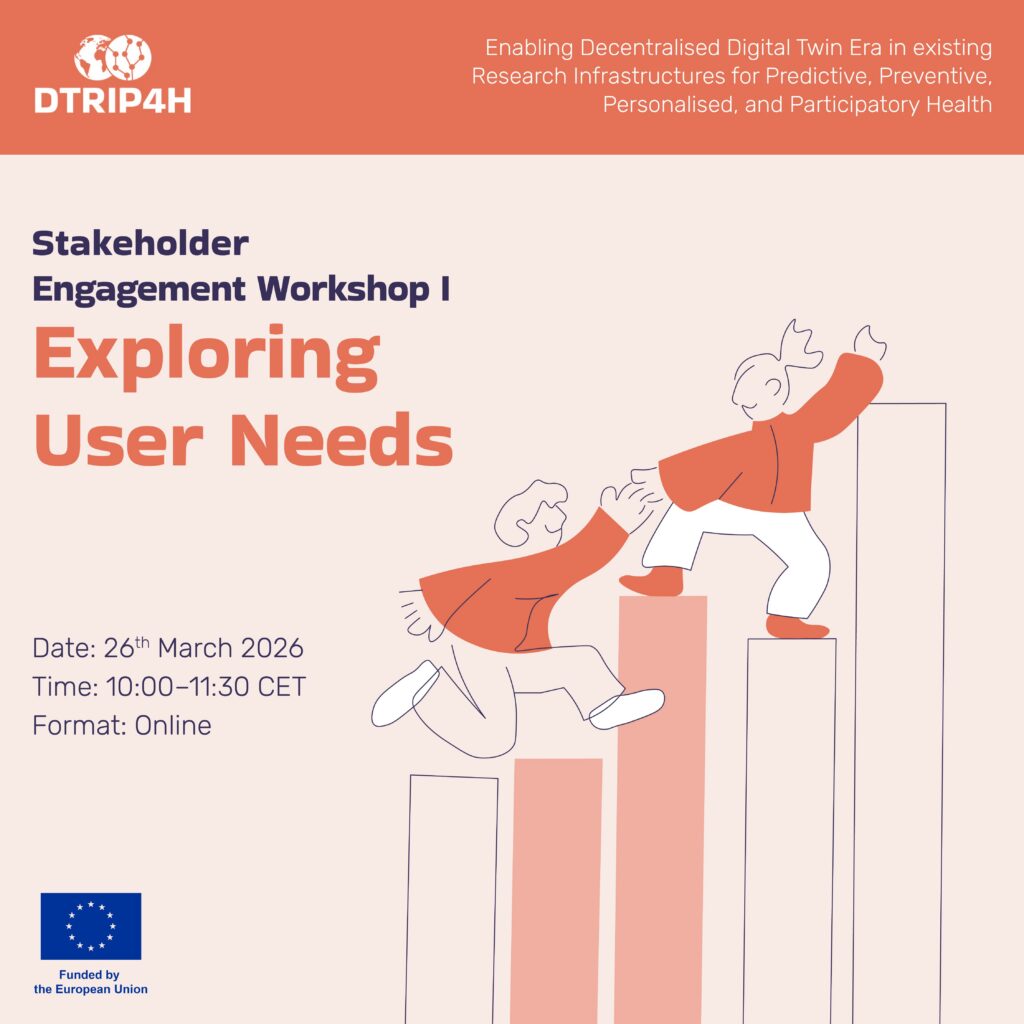
Locandina del workshop DTRIP4H Exploring User Needs, 26 marzo 2026PanelDTRIP4H · Gemelli digitali per la saluteValentina Grazia Sapuppo tra i main panellist del workshop «Exploring User Needs for DDTE: Ethics, Implementation, and the Future of Responsible Simulation» del progetto europeo DTRIP4H, con un intervento su governance, conformità e responsabilità. A giugno ha contribuito come esperto legale al workshop sui fabbisogni formativi.26 marzo e 23 giugno 2026, online · Horizon EuropeIl workshopLa registrazioneDTRIP4H
Intervista Radio Radio IntervistaLegge e colossi del digitaleIl patteggiamento di Meta sui minori non è una condanna. Stati Uniti ed Europa seguono strade opposte, e sugli agenti di IA resta aperta la domanda su chi risponde.Un Giorno Speciale su Radio Radio, con Alessio De Paolis · audio dal minuto 2:26:00Ascolta l’intervistaGuarda il videoLeggi l’articolo
Digital Omnibus ContributoIl Digital Omnibus cambia l’AI ActNuove scadenze per i sistemi ad alto rischio e un chiarimento sull’obbligo di AI literacy: più tempo per adeguarsi, nessuno sconto sulla preparazione di persone e processi.Articolo scritto per il blog di SkillaLeggi su Skilla
Digeat Festival 2026 SpeakerDigeat Festival 2026Valentina Grazia Sapuppo tra i relatori del festival dedicato a protezione dei dati, archivi digitali e regole del futuro. Interviene sul tema «Le regole dell’IA: nuove leggi o principi del diritto?».Venerdì 6 novembre 2026, ore 16:30, Ex Convitto Palmieri, LecceL’interventoLa scheda relatriceIl festival
AI AnthropoCosmic 2026AI AnthropoCosmic 2026Valentina Grazia Sapuppo nel progetto dell’Università Pontificia Salesiana su Persona, Ambiente e Cosmo: moderazione della sessione mattutina del Convegno finale e intervento negli AI Laboratori del Domani su commercio elettronico e IA.14 novembre 2026, online · 28 novembre 2026, Università Pontificia Salesiana, RomaIl convegnoL’incontroIl contributoIl comitato scientificoLa relatriceIl progetto
Testimony by Valentina Grazia Sapuppo for XUKRA, Meeting Standards 2026 TestimonyXUKRA” · Meeting StandardsValentina Grazia Sapuppo’s testimony for the XUKRA” online workshop, part of Meeting Standards, the Small Business Standards initiative bringing European SMEs closer to standardisation.30 June 2026, online · Meeting Standards, 4th editionXUKRA”Meeting StandardsEuropean initiative by Small Business Standards - SBS
Poster of the DTRIP4H workshop Exploring User Needs, 26 March 2026PanelDTRIP4H · Digital twins for healthValentina Grazia Sapuppo among the main panellists of the workshop “Exploring User Needs for DDTE: Ethics, Implementation, and the Future of Responsible Simulation” of the EU project DTRIP4H, speaking on governance, compliance and accountability. In June she contributed as a legal expert to the workshop on training needs.26 March and 23 June 2026, online · Horizon EuropeThe workshopThe recordingDTRIP4H
Interview Radio Radio InterviewLaw and the digital giantsThe Meta settlement on minors is not a conviction. The United States and Europe take opposite paths, and on AI agents the question of who answers remains open.Un Giorno Speciale on Radio Radio, with Alessio De Paolis · audio from 2:26:00 · in ItalianListen to the interviewWatch the videoRead the article
Digital Omnibus ContributionThe Digital Omnibus reshapes the AI ActNew deadlines for high-risk systems and a clarification on the AI literacy duty: more time to comply, no discount on preparing people and processes.Article written for the Skilla blog, in ItalianRead on Skilla
Digeat Festival 2026 SpeakerDigeat Festival 2026Valentina Grazia Sapuppo among the speakers of the festival on data protection, digital archives and the rules of the future. She takes part in the panel «The rules of AI: new laws or principles of law?».Friday 6 November 2026, 16:30, Ex Convitto Palmieri, LecceThe panelSpeaker profileThe festival
AI AnthropoCosmic 2026AI AnthropoCosmic 2026Valentina Grazia Sapuppo in the project of the Università Pontificia Salesiana on Person, Environment and Cosmos: moderator of the morning session of the closing conference and speaker at the AI Laboratori del Domani on e-commerce and AI.14 November 2026, online · 28 November 2026, Università Pontificia Salesiana, Rome · sessions held in ItalianThe conferenceThe sessionThe contributionThe scientific committeeSpeakerThe project