
Articles, essays and contributions on law, artificial intelligence and data protection, between academic research and outreach
Insights, articles and curiosities

The AI Act and the Digital Omnibus: the new high-risk timeline, between simplification and fundamental rights
On 16 June 2026 the European Parliament gave final approval to the amendment of Regulation (EU) 2024/1689 within the so-called “Digital Om…

NIS 2 put to the test: notifications, categorisation and security measures in the 2026 roll-out
2026 marks the shift of the Italian transposition of the NIS 2 Directive from the declaratory phase to the implementation phase: the duty …

Scientific research and the GDPR: the EDPB’s Guidelines 1/2026 bring clarity, but the puzzle is not complete
On 15 April 2026 the European Data Protection Board adopted Guidelines 1/2026 on the processing of personal data for scientific research p…
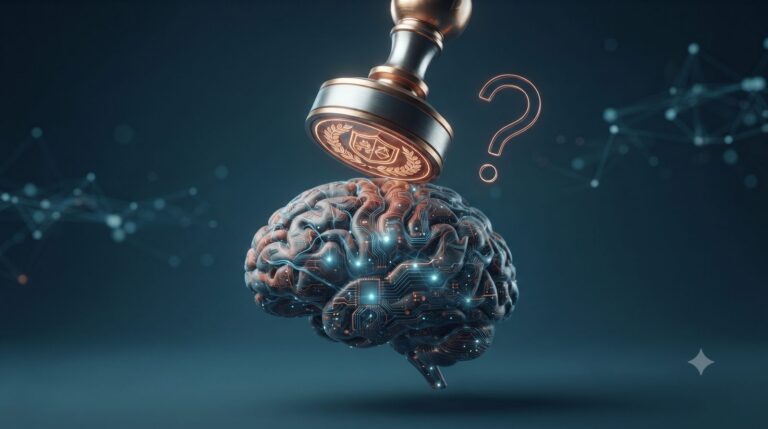
ISO/IEC 42001 and the AI Act: why certification is not (yet) a presumption of conformity
On 18 March 2026 EN ISO/IEC 42001:2026 was published, the European adoption of the standard on Artificial Intelligence management systems,…

Neurorights and neural data: the UNESCO Recommendation on the ethics of neurotechnology, the first global standard protecting the mind
On 11 November 2025 the UNESCO General Conference adopted the Recommendation on the Ethics of Neurotechnology, the first global normative …

The Garante’s 2026 inspection plan: the areas in the spotlight and the lessons of the Emirates case
By deliberation No. 797 of 30 December 2025 the Italian Garante planned its inspection activity for the first half of 2026: artificial int…

Digital cities and “deserving” citizens: from points-based citizenship to the AI Act’s ban on social scoring
In recent years several Italian municipalities trialled “points-based citizenship” schemes that closely echoed the much-criticised Chinese…

Italian cities go digital: from the European Mission Label to Trento’s lesson on intelligent surveillance
All nine Italian cities in the European mission “100 climate-neutral and smart cities by 2030” have now obtained the Mission Label. But th…

Drinking water: how does it reach our homes? Artificial Intelligence put to the test on water networks
Making cities inclusive, safe, resilient and sustainable is Goal 11 of the UN 2030 Agenda. Yet in Italy more than 42% of the water fed int…

The AI Act on the horizon: what will happen to Italian municipalities?
The AI Act’s prohibitions apply from 2 February 2025, most of its provisions from 2 August 2026, while the obligations for high-risk syste…

Health digital twins: GDPR, the AI Act and the EHDS put to the test by the patient’s digital twin
Digital twins in healthcare promise to simulate disease progression and personalise care. But a patient’s digital twin is, first of all, a…

Certifying Artificial Intelligence: how an AIMS scheme works and what it does not promise
With ISO/IEC 42001 came the first certifiable standard on Artificial Intelligence management systems; with ISO/IEC 42006:2025 came the req…

ISO 14001:2026, environmental management steps up: what certified organisations need to know
In April 2026 the new edition of ISO 14001 was published, the world’s reference standard for environmental management systems, transposed …

ISO 45001 and climate change: when occupational health and safety meets the climate
With Amendment 1:2024 “Climate action changes”, climate change entered ISO 45001 expressly — the standard on occupational health and safet…

GPAI models and the Code of Practice: the voluntary route to Chapter V compliance under the AI Act
Since 2 August 2025 the obligations of Chapter V of the AI Act apply to providers of general-purpose AI models. The General-Purpose AI Cod…

NIS 2, DORA and the Cyber Resilience Act: how to find your way when perimeters overlap
Three European acts, three regulatory logics, one goal: digital resilience. But for those who fall within several perimeters — from a bank…

EN 18286: the quality-management system for Article 17 of the AI Act nears publication
It is the most awaited European standard of the AI Act construction site: EN 18286 on the quality-management system for the Regulation’s r…

ISO/IEC 42005 and the impact assessment of AI systems: a compass between FRIA and DPIA
Published in May 2025, ISO/IEC 42005 offers organisations guidance for assessing the impact of AI systems on individuals, groups and socie…

The Digital Omnibus and the GDPR: the EDPB and EDPS doubts on the new definition of personal data
While the Digital Omnibus on AI has reached the finish line, the twin package affecting the GDPR and ePrivacy is still on its way, and car…

The EDPB DPIA template: towards a harmonised impact assessment across the European Economic Area
On 14 April 2026 the EDPB adopted a template for data-protection impact assessments, put out for public consultation until 9 June 2026: pr…

Facial recognition in Italian cities: the moratorium extended to 2027 and the AI Act’s limits
After Trento, the Garante scrutinised Rome’s metro and Turin’s “intelligent” cameras. Meanwhile, the Italian moratorium on the use of faci…
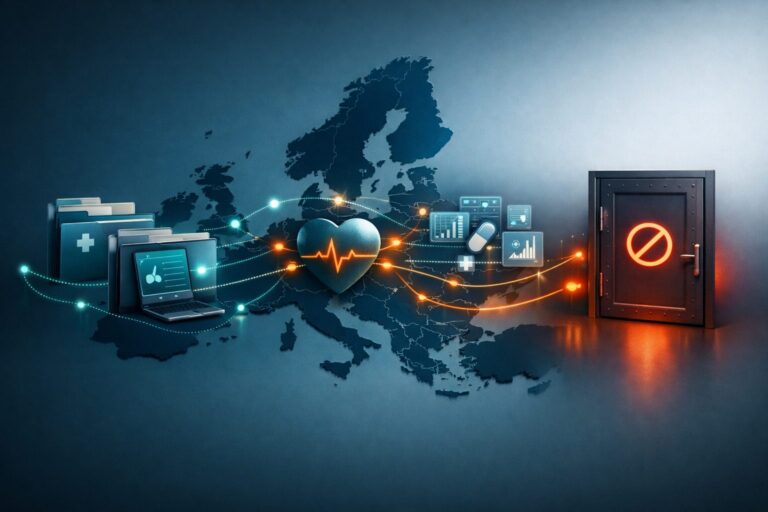
EHDS: the European Health Data Space between primary use, secondary use and prohibited uses
Regulation (EU) 2025/327 establishes the European Health Data Space: the first common European sectoral data space, with staggered applica…

Records of processing and SMEs: the simplification of Article 30(5) GDPR seen by the EDPB and EDPS
Extending the exemption from the obligation to keep a record of processing activities to organisations with fewer than 750 employees: this…

Mapping the risks of Artificial Intelligence: NIST, MIT, CSA and ENISA compared
Before managing AI risks you have to be able to name them. Four tools, all public and free, offer as many perspectives: NIST’s management …

The AI ethicist becomes a profession: the EN 18274 standard and the competences required
For years the “AI ethicist” was a self-attributed title, without verifiable contours. Now the picture changes: within CEN-CLC/JTC 21, EN 1…
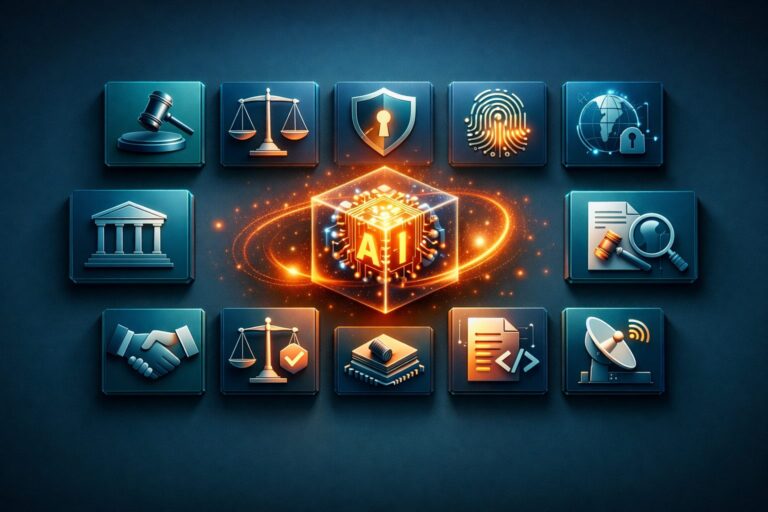
UNI 11621-8: the twelve professional profiles of Artificial Intelligence, between national standard and European CWA
On 30 April 2026 the standard UNI 11621-8 was published, the first national standard in Europe to systematically define the professional r…

ISO 19011:2026, the art of auditing updates: hybrid audits, digital evidence and auditor competence
In May 2026 the fourth edition of ISO 19011 was published, the international guidance for auditing management systems, transposed as UNI C…

ISO 9000:2026: the vocabulary of Quality is renewed
Before rules come words. In May 2026 the fifth edition of ISO 9000 was published, the standard establishing fundamental concepts, principl…

ISO/IEC 17024:2026: how professional competences are certified, and what changes with the new edition
After fourteen years, the 2012 edition of ISO/IEC 17024 is superseded: the new edition, published in 2026 and transposed as UNI CEI EN ISO…
Press and contributions

Ethics & digital society
De la revolución de la información / ¿Qué ética para la sociedad de la red?
Ethics & AI
Inteligencia Artificial Ética. Herramientas para la protección de los seres humanos

Cybersecurity
Regolamento eIDAS 2 e Direttiva NIS2: lo stretto collegamento normotecnico

Cybersecurity
Regolamento eIDAS 2 e Direttiva NIS2: un quadro integrato difficile da mettere a terra

Data Protection
La Certificación Verde o Green Pass: un análisis entre cuestiones de legitimidad constitucional y protección de datos personales
Digital citizenship
SAI ‑ Sistemas Administrativos Inteligentes. Después del Sistema Público de Identidad Digital (SPID): perfiles virtuosos y criticidades de la ciudadanía digital


Commercial law
El derecho mercantil en la era de la digitalización: entre el comercio sin fronteras y la protección de los e‑consumidores



Legal ethics
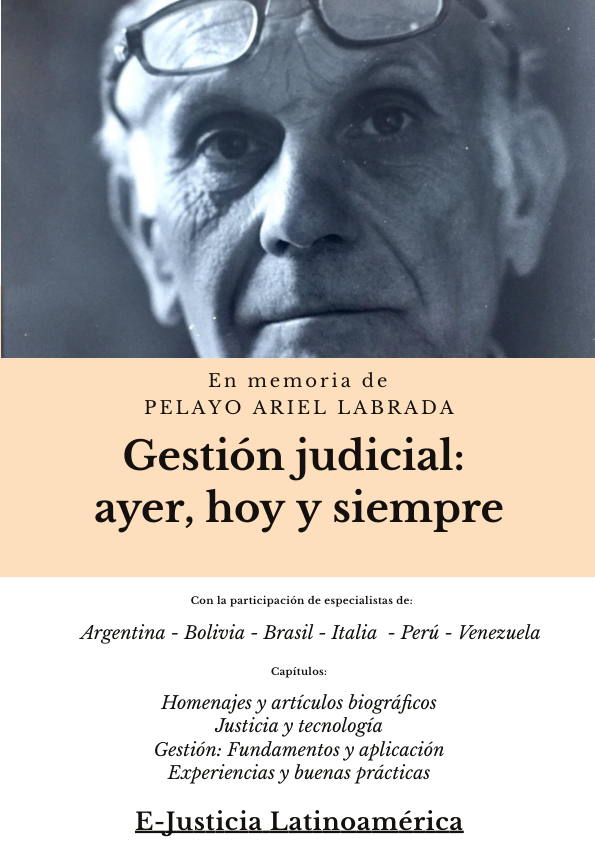
La pubblicità informativa nella professione legale: uno sguardo all’art. 35 del Codice Deontologico Forense



Civil procedure
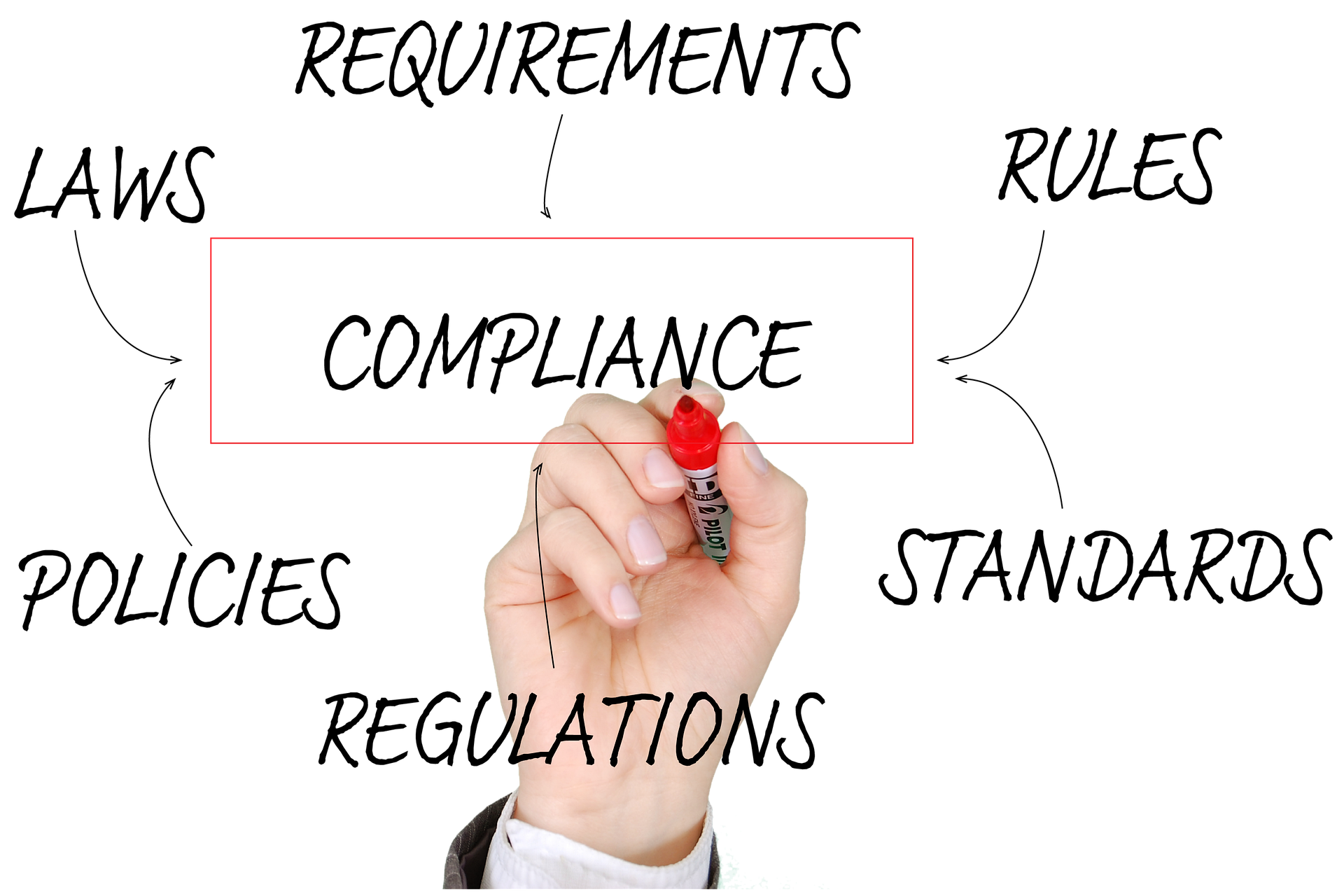
L’attuale asset del processo civile italiano: tra il rito ordinario di cognizione ed i giudizi speciali


Civil law
La tutela della libera estrinsecazione della volontà del testatore: l’impugnazione del testamento



Pubblicazioni accademiche
Le ricerche e i paper scientifici ‑ tra cui studi su governance dell’IA, etica dell’informazione, tutela dei dati biometrici e privacy ‑ sono raccolti sul profilo Academia.edu