Tecnologie emergenti verso il 2030, illustrazione astratta palette azzurro viola ciano

Immagine creata con IAAI-generated image

Beyond artificial intelligence: emerging technologies towards 2030

Public attention on innovation often settles on a single field, yet the landscape of emerging technologies is broader. This contribution offers a neutral overview of several sectors and of the European policies that accompany them towards 2030.

Quantum computing and the Quantum Europe Strategy

Quantum computing draws on the properties of quantum mechanics to process information in ways that differ from conventional computing, with potential applications in materials simulation, process optimisation and cryptography. On 2 July 2025 the European Commission adopted the Quantum Europe Strategy, with the stated aim of making the European Union (EU) a global leader in the field by 2030 and of overcoming the current fragmentation of national initiatives. The document identifies five interconnected areas: research and innovation, quantum infrastructures, strengthening of the industrial ecosystem, space and dual-use applications, and the development of specialist skills. Announced measures include a shared design facility, six pilot lines for the production of quantum chips, a pilot facility for the European quantum internet and a skills academy, due to open in 2026. The strategy is expected to be followed by a legislative proposal, the forthcoming Quantum Act, anticipated during 2026.

Semiconductors and Europe’s productive autonomy

Semiconductors, the tiny components that govern the operation of every electronic device, sit at the heart of worldwide industrial competition and of recurring tensions along supply chains. Through Regulation (EU) 2023/1781, known as the Chips Act and in force since 21 September 2023, the Union has set out a framework of measures to reinforce its microelectronics supply chain. The stated ambition, embedded in the objectives of the Digital Decade programme, is to raise the European share of worldwide production of advanced components to 20% by 2030, reducing reliance on external suppliers through investment estimated at around 43 billion euros in public and private resources. The framework rests on three pillars: support for research and for the transfer towards manufacturing on an industrial scale, incentives for innovative production plants, and a mechanism to monitor and respond to supply crises.

The data economy and the rules on sharing

The spread of connected objects generates growing volumes of information, whose access and reuse raise economic and legal questions. Regulation (EU) 2023/2854, known as the Data Act, governs the sharing of the content produced by connected objects and related services. Adopted on 13 December 2023, it has applied since 12 September 2025, with some obligations phased in over the following years. The text grants individuals and businesses the right to access the information they help to generate, makes it easier to switch from one cloud service provider to another, and regulates the making available of such content to public bodies in exceptional circumstances. The stated purpose is to distribute more fairly the economic value of the digital record within the single market, without weakening its protection.

Space as strategic infrastructure

Orbital activities underpin services that are now part of daily life, from satellite navigation to telecommunications and Earth observation. On 25 June 2025 the European Commission presented the proposal for an EU Space Act, the first attempt to regulate the sector comprehensively at Union level, replacing the thirteen national approaches currently in force. The initiative is built around three axes: safety, resilience and sustainability. It envisages measures for tracking objects in orbit, mitigating debris, protecting space infrastructure against cyber threats and assessing the environmental impact of operations. The rules would apply both to European operators and to non-EU operators offering services within the Union’s territory. The proposal is currently being negotiated between the European Parliament and the Council under the ordinary legislative procedure.

Cybersecurity as an enabling condition

Network security accompanies every digital field and shapes its reliability. Two legislative instruments currently define the European perimeter. Directive (EU) 2022/2555, known as NIS2 (from Network and Information Security), replaces the earlier 2016 directive and extends risk-management and incident-notification obligations to numerous critical sectors; the deadline for transposition into national law was set at 17 October 2024. Regulation (EU) 2024/2847, the Cyber Resilience Act (CRA), instead introduces security requirements for products with digital elements across their entire life cycle. Having entered into force on 10 December 2024, it provides for reporting obligations to apply from 11 September 2026 and for full application from 11 December 2027.

Outlook

The policies described here share a common time horizon, 2030, and a recurring logic: combining public investment, harmonised rules and reduced external dependencies. Some measures are already fully operational, such as the Chips Act and the NIS2 Directive; others provide for gradual application, such as the Data Act and the Cyber Resilience Act; still others remain under negotiation, such as the EU Space Act and the announced Quantum Act. The overall picture is therefore in motion, and its outcome will depend on implementation across the Member States and on the capacity to turn research results into market applications.

In dialogue with the 2030 Agenda

  • Goal 9 (Industry, innovation and infrastructure): promotes resilient infrastructure, inclusive and sustainable industrialisation and greater support for scientific research.
  • Goal 4 (Quality education): the development of quantum and digital skills calls for accessible and up-to-date pathways.
  • Goal 17 (Partnerships for the goals): coordination among Member States and the harmonisation of rules are the condition for results on a continental scale.

Sources


AI AnthropoCosmic In evidenzaAI AnthropoCosmicUn progetto internazionale per un’IA a servizio dell’Uomo, dell’Ambiente e del Cosmo, che mette al centro la dignità della persona nella progettazione dei sistemi. Leggi l’articoloAI Open Mind AI AnthropoCosmic FeaturedAI AnthropoCosmicAn international project for an AI at the service of humanity, the environment and the cosmos, placing human dignity at the centre of system design. Read the articleAI Open Mind Agentic AI In evidenzaAgentic AILimiti prima dell’azione, evidenze durante, responsabilità dopo. Il volume di Nicola Fabiano sulla governance dei sistemi agentici, con la prefazione di Antonino Caffo.Capitolo 16 a cura dell’Avv. Valentina Grazia SapuppoLeggi l’articolo Agentic AI FeaturedAgentic AILimits before the action, evidence during, responsibility afterwards. Nicola Fabiano’s book on the governance of agentic systems, with a preface by Antonino Caffo.Chapter 16 by Valentina Grazia SapuppoRead the article
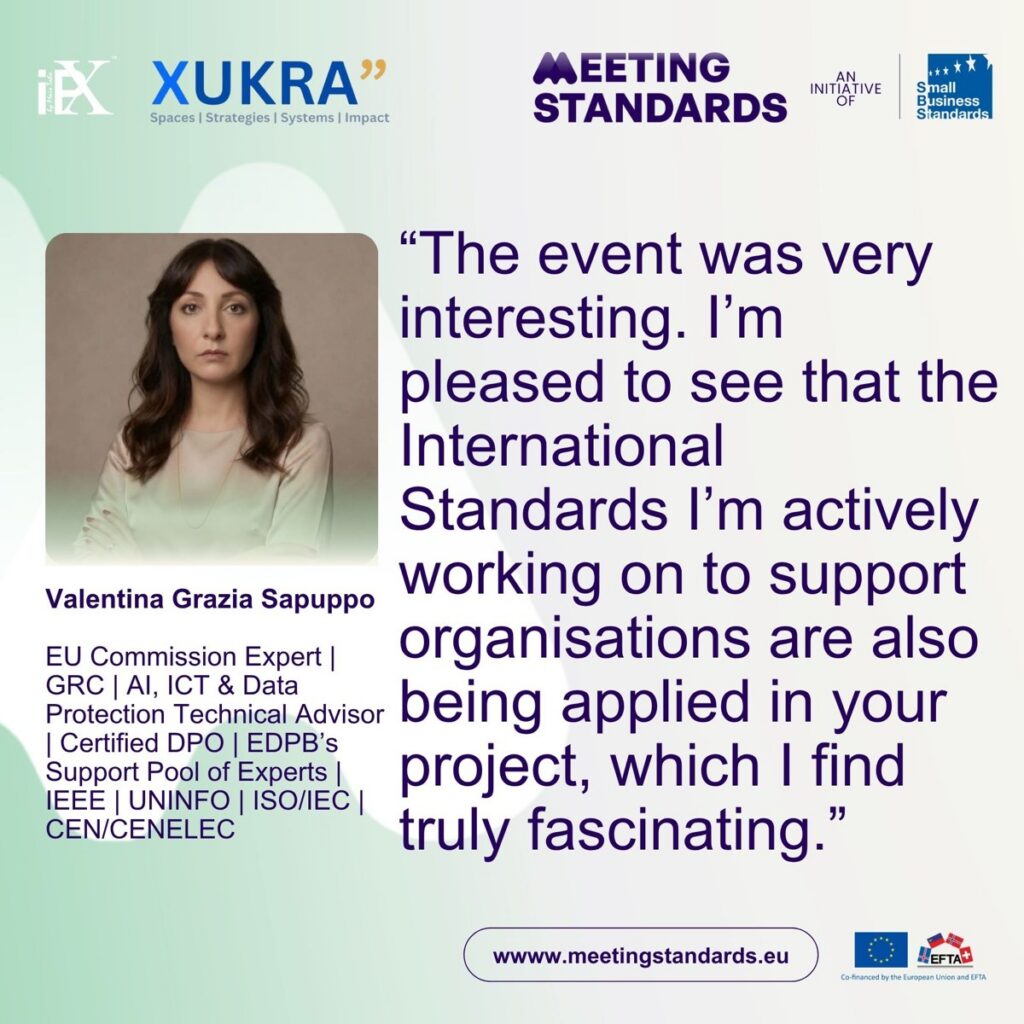
Testimonianza di Valentina Grazia Sapuppo per XUKRA, Meeting Standards 2026 TestimonianzaXUKRA” · Meeting StandardsValentina Grazia Sapuppo ha portato la sua testimonianza al workshop online di XUKRA” nell’ambito di Meeting Standards, l’iniziativa di Small Business Standards che avvicina le PMI europee alla normazione.30 giugno 2026, online · Meeting Standards, 4ª edizioneXUKRA”Meeting StandardsIniziativa europea di Small Business Standards - SBS
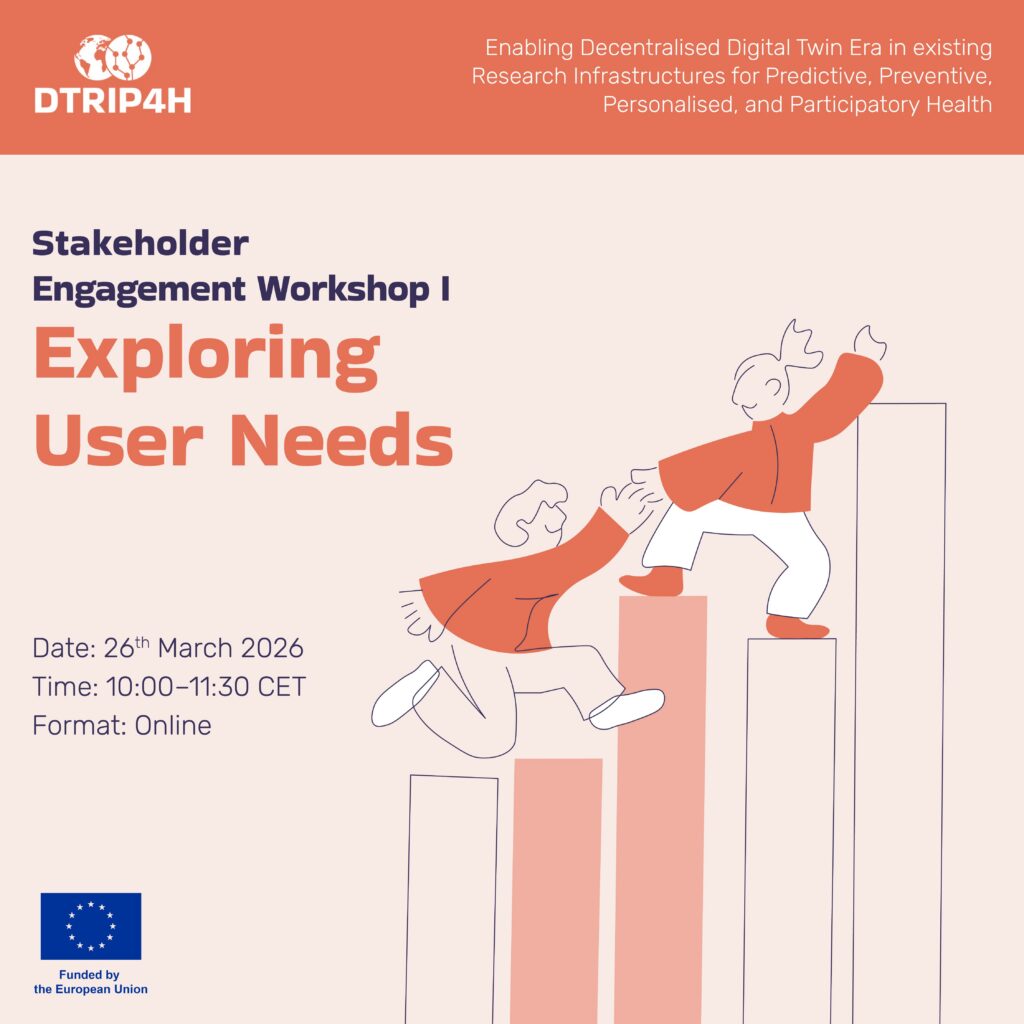
Locandina del workshop DTRIP4H Exploring User Needs, 26 marzo 2026PanelDTRIP4H · Gemelli digitali per la saluteValentina Grazia Sapuppo tra i main panellist del workshop «Exploring User Needs for DDTE: Ethics, Implementation, and the Future of Responsible Simulation» del progetto europeo DTRIP4H, con un intervento su governance, conformità e responsabilità. A giugno ha contribuito come esperto legale al workshop sui fabbisogni formativi.26 marzo e 23 giugno 2026, online · Horizon EuropeIl workshopLa registrazioneDTRIP4H
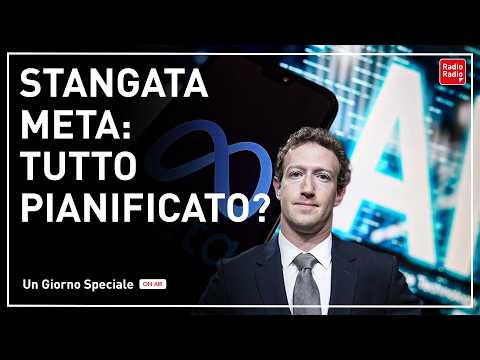
Intervista Radio Radio IntervistaLegge e colossi del digitaleIl patteggiamento di Meta sui minori non è una condanna. Stati Uniti ed Europa seguono strade opposte, e sugli agenti di IA resta aperta la domanda su chi risponde.Un Giorno Speciale su Radio Radio, con Alessio De Paolis · audio dal minuto 2:26:00Ascolta l’intervistaGuarda il videoLeggi l’articolo
Digital Omnibus ContributoIl Digital Omnibus cambia l’AI ActNuove scadenze per i sistemi ad alto rischio e un chiarimento sull’obbligo di AI literacy: più tempo per adeguarsi, nessuno sconto sulla preparazione di persone e processi.Articolo scritto per il blog di SkillaLeggi su Skilla
Digeat Festival 2026 SpeakerDigeat Festival 2026Valentina Grazia Sapuppo tra i relatori del festival dedicato a protezione dei dati, archivi digitali e regole del futuro. Interviene sul tema «Le regole dell’IA: nuove leggi o principi del diritto?».Venerdì 6 novembre 2026, ore 16:30, Ex Convitto Palmieri, LecceL’interventoLa scheda relatriceIl festival
AI AnthropoCosmic 2026AI AnthropoCosmic 2026Valentina Grazia Sapuppo nel progetto dell’Università Pontificia Salesiana su Persona, Ambiente e Cosmo: moderazione della sessione mattutina del Convegno finale e intervento negli AI Laboratori del Domani su commercio elettronico e IA.14 novembre 2026, online · 28 novembre 2026, Università Pontificia Salesiana, RomaIl convegnoL’incontroIl contributoIl comitato scientificoLa relatriceIl progetto
Testimony by Valentina Grazia Sapuppo for XUKRA, Meeting Standards 2026 TestimonyXUKRA” · Meeting StandardsValentina Grazia Sapuppo’s testimony for the XUKRA” online workshop, part of Meeting Standards, the Small Business Standards initiative bringing European SMEs closer to standardisation.30 June 2026, online · Meeting Standards, 4th editionXUKRA”Meeting StandardsEuropean initiative by Small Business Standards - SBS
Poster of the DTRIP4H workshop Exploring User Needs, 26 March 2026PanelDTRIP4H · Digital twins for healthValentina Grazia Sapuppo among the main panellists of the workshop “Exploring User Needs for DDTE: Ethics, Implementation, and the Future of Responsible Simulation” of the EU project DTRIP4H, speaking on governance, compliance and accountability. In June she contributed as a legal expert to the workshop on training needs.26 March and 23 June 2026, online · Horizon EuropeThe workshopThe recordingDTRIP4H
Interview Radio Radio InterviewLaw and the digital giantsThe Meta settlement on minors is not a conviction. The United States and Europe take opposite paths, and on AI agents the question of who answers remains open.Un Giorno Speciale on Radio Radio, with Alessio De Paolis · audio from 2:26:00 · in ItalianListen to the interviewWatch the videoRead the article
Digital Omnibus ContributionThe Digital Omnibus reshapes the AI ActNew deadlines for high-risk systems and a clarification on the AI literacy duty: more time to comply, no discount on preparing people and processes.Article written for the Skilla blog, in ItalianRead on Skilla
Digeat Festival 2026 SpeakerDigeat Festival 2026Valentina Grazia Sapuppo among the speakers of the festival on data protection, digital archives and the rules of the future. She takes part in the panel «The rules of AI: new laws or principles of law?».Friday 6 November 2026, 16:30, Ex Convitto Palmieri, LecceThe panelSpeaker profileThe festival
AI AnthropoCosmic 2026AI AnthropoCosmic 2026Valentina Grazia Sapuppo in the project of the Università Pontificia Salesiana on Person, Environment and Cosmos: moderator of the morning session of the closing conference and speaker at the AI Laboratori del Domani on e-commerce and AI.14 November 2026, online · 28 November 2026, Università Pontificia Salesiana, Rome · sessions held in ItalianThe conferenceThe sessionThe contributionThe scientific committeeSpeakerThe project